Vestnorsk Kystlynghei – Ancient Coastal Heathland
About This Adventure
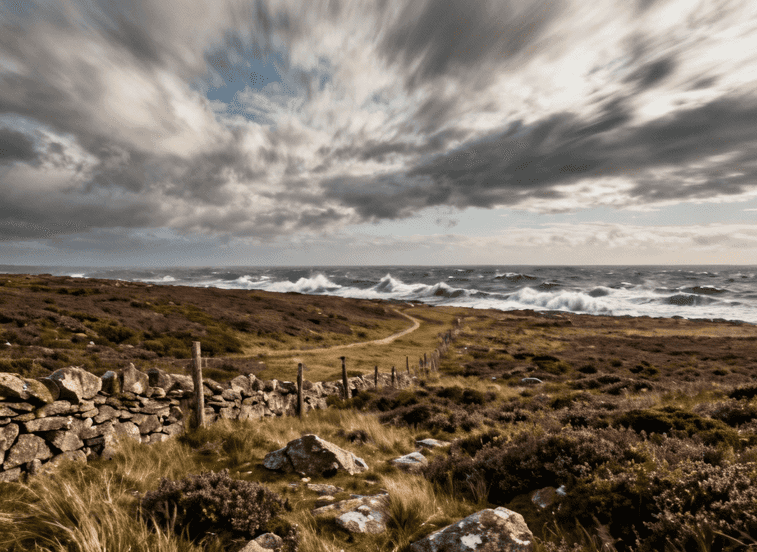
Along the western coast lies a rare cultural landscape shaped by grazing and controlled burning over thousands of years, creating the distinctive coastal heathland (kystlynghei) that once covered vast stretches of Norway's coastline but has now largely disappeared due to changed land use. The coastal heathland is low, open, and windswept, dominated by heather (lyng), juniper, crowberry, and hardy grasses adapted to salt spray, wind, and thin soils.
The Trail
Along the western coast lies a rare cultural landscape shaped by grazing and controlled burning over thousands of years, creating the distinctive coastal heathland (kystlynghei) that once covered vast stretches of Norway's coastline but has now largely disappeared due to changed land use. The coastal heathland is low, open, and windswept, dominated by heather (lyng), juniper, crowberry, and hardy grasses adapted to salt spray, wind, and thin soils. This is not natural wilderness but a cultural landscape actively maintained by human activity—specifically by grazing sheep and cattle, and historically by controlled burning to stimulate fresh growth and prevent forest encroachment. Archaeological evidence shows this land management system has persisted for 4,000-5,000 years, making it one of Europe's longest-continuously managed landscapes. The area is dotted with stone fences marking old field boundaries, stone cairns serving as navigation points, and old grazing routes (paths worn by countless hooves over centuries) connecting coastal farms with inland pastures.
What to Expect
Walking here reveals how people once managed harsh coastal environments long before modern farming techniques—reading the landscape for shelter, identifying grazing patterns, timing controlled burns with weather, and adapting to constant salt exposure that limits what can grow. The heathland supports specialized biodiversity including ground-nesting birds, rare insects, and plant species that thrive only in this specific environment. Without continued grazing and burning, the heathland would quickly transform into scrubby forest, erasing both the cultural heritage and the unique ecology. Today, conservation efforts work with farmers to maintain traditional practices. The landscape offers easy walking on mostly flat terrain with expansive coastal views, particularly beautiful when heather blooms purple in late summer (August).
Planning Your Visit
The constant wind shapes vegetation into wind-pruned forms, and the exposure means weather is always a factor—bring windproof clothing. The area provides insight into sustainable land management practices that predate modern agriculture by millennia. Several accessible sites exist along the coast; inquire locally for best examples. Free access year-round though summer offers most comfortable conditions. Explore Norwegian heritage.
Never get stuck for words in Norwegian
Someone speaks to you in Norwegian? TalkBuoy listens in real time and suggests exactly what to say back. Your AI companion for travel conversations and language learning.
Affiliate Disclosure This page contains affiliate links. We may earn a commission from purchases made through these links.
Discover Vestland with Local Guides
Skip the planning stress! Browse thousands of verified tours, activities, and experiences. From Northern Lights expeditions to fjord cruises - find the perfect adventure.
Hidden Norway participates in affiliate marketing programs, including GetYourGuide and others. This means we may earn a commission when you book tours or make purchases through our affiliate links. This comes at no extra cost to you and helps us keep providing free, quality content about Norway's hidden gems. We only recommend services and experiences we genuinely believe will enhance your Norwegian adventure.
Location
GPS Coordinates
60.7684, 4.9291