Svalbard's Polar Bears Thrive Despite Climate Change Challenges
A new study reveals Svalbard's polar bears are gaining fat despite warming temperatures, impacting wildlife tourism in Norway.
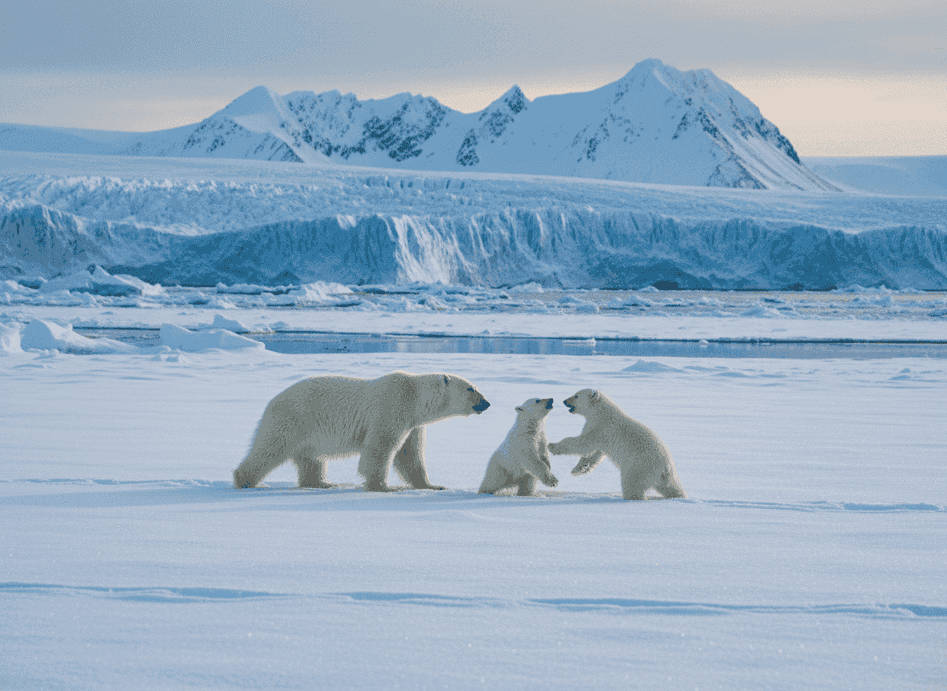
Recent research published in the journal Scientific Reports has revealed surprising findings regarding polar bears in Norway's Svalbard archipelago. Contrary to expectations that climate change and melting Arctic sea ice would lead to thinner bears, the study indicates that these polar bears are actually gaining body fat. This development raises important questions about the impact of climate change on wildlife and tourism in the region.
The study, led by Jon Aars from the Norwegian Polar Institute, analyzed the body condition index (BCI) of 770 adult polar bears between 1995 and 2019. It found that while the bears' body condition declined until 2000, it has since improved, even as the Barents Sea has lost sea ice more rapidly than other polar bear habitats. The region has experienced significant temperature increases, with air temperatures rising two to four times higher than the global average in recent decades.
Interestingly, polar bears in Svalbard have adapted by shifting their diet to include more land-based prey, such as reindeer and walruses, which have rebounded from previous over-exploitation. Warmer temperatures also enable the bears to hunt ringed seals in the increasingly limited sea ice areas. This adaptability has led to an increase in body fat, a finding that contrasts with trends observed in polar bear populations elsewhere in the Arctic.
For tourists planning to visit Svalbard, these developments highlight the unique ecological dynamics of the region. Wildlife enthusiasts may find opportunities to observe healthier polar bears, which may be more active and visible as they forage for diverse food sources. The bears’ improved body condition could enhance wildlife viewing experiences, especially for those participating in guided tours focused on Arctic fauna.
However, experts warn that this situation may be temporary. Aars indicates that the long-term outlook for polar bears remains uncertain, with a likelihood of negative impacts as climate change continues to affect their hunting grounds. As ice diminishes, the bears' dependence on seal hunting may pose future challenges, potentially leading to declines in their health and population stability.
Tourists should remain informed about the changing conditions in Svalbard and consider responsible travel practices that support local conservation efforts. Engaging with eco-friendly tour operators can help mitigate the impact of tourism on fragile ecosystems while allowing visitors to experience the remarkable wildlife of this Arctic paradise.
As climate change continues to pose challenges, the situation of Svalbard's polar bears serves as a reminder of the complex interrelationships within Arctic ecosystems and the need for ongoing conservation efforts to protect these iconic animals and their habitat.