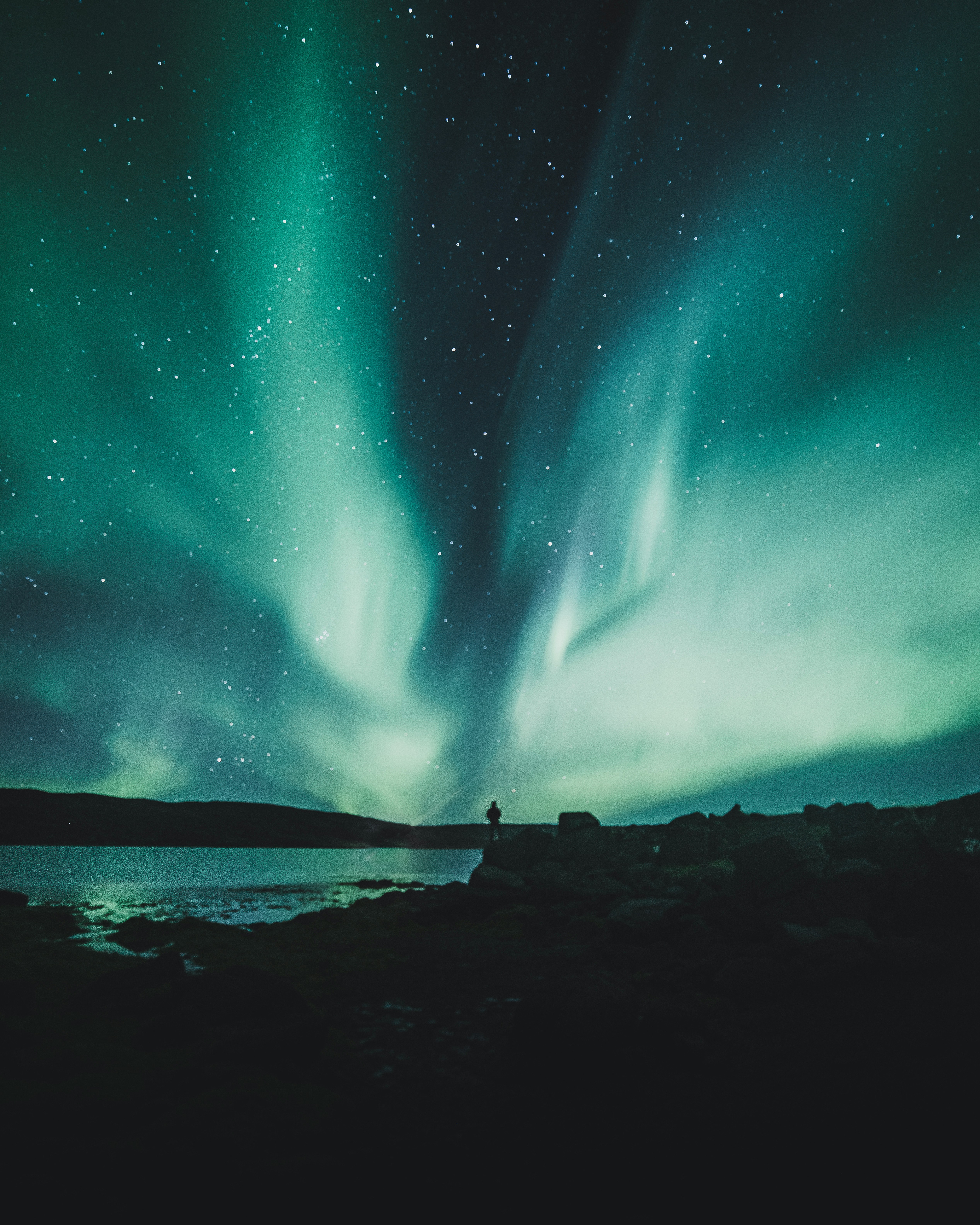
Ultimate Guide to Chasing the Northern Lights in Norway
Discover the best tips and locations for witnessing the captivating Northern Lights in Norway with our comprehensive guide.

Recommended · Travel
Norway: 1,000 Ideas
A thousand curated ideas for every corner of Norway.
Get it on Amazon
Merch · T-shirt
Aurora Chaser T-Shirt
Wear your love for the northern lights. Original design, soft cotton, multiple colours.
Shop on Amazon
Recommended · Language
Speak Norwegian
From everyday phrases to Norskprøven-ready practice.
Get it on Amazon
Merch · T-shirt
Fjord Life T-Shirt
Norway coastal life on a soft cotton tee. Original design, multiple colours.
Shop on Amazon
Merch · T-shirt
Fjord Life Travel Tumbler
Insulated stainless steel travel tumbler with the aurora fjord badge.
Shop on AmazonUnderstanding the Magic: The Science Behind the Northern Lights
Photo by Tatiana Zanon on Unsplash
The Northern Lights, or Aurora Borealis, are a breathtaking natural phenomenon that occurs when charged particles from the sun collide with gases in Earth's atmosphere. This interaction creates a dazzling display of lights, typically in shades of green, pink, and purple. Understanding the science behind this spectacle can enhance your viewing experience and appreciation for its beauty.
The lights are most visible in areas near the Arctic Circle, with Norway being one of the prime locations. The best months to witness this celestial dance are from late September to early April, when the nights are longest and darkest. The intensity of the lights can vary based on solar activity, which is often measured by the KP index — a scale that indicates the potential visibility of the Northern Lights based on geomagnetic activity.
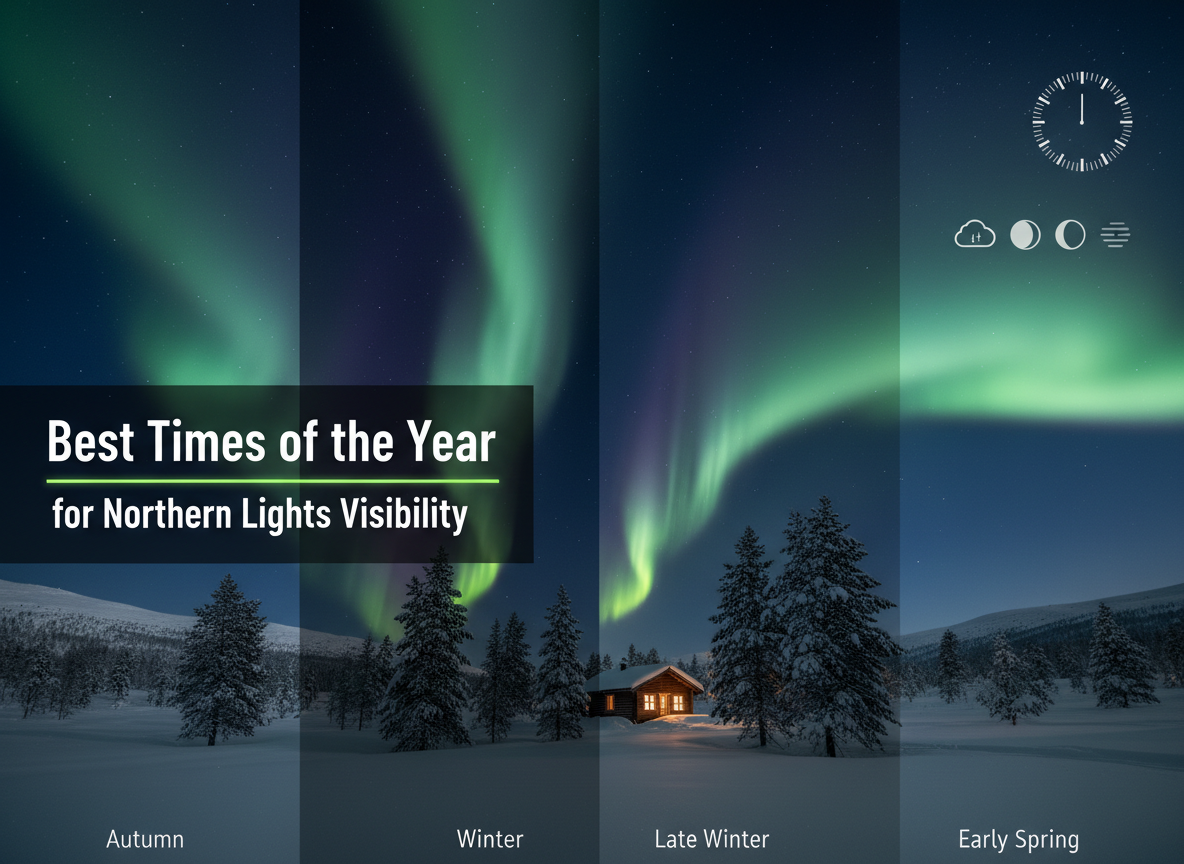
Photo by Vidar Nordli-Mathisen on Unsplash
Local guides often emphasize the importance of being in the right place at the right time, as clear skies and low light pollution are crucial for optimal viewing. Many seasoned aurora chasers suggest that understanding the science helps visitors appreciate the fleeting beauty of this phenomenon even more.
Plan your Norway trip
Book Local Tours & Activities
Discover authentic Norwegian experiences
Find Your Perfect Stay in Norway
Hotels, cabins & unique accommodations
Affiliate links — we may earn a small commission at no extra cost to you.
Best Times of the Year for Northern Lights Visibility

Photo by Lightscape on Unsplash
Timing is everything when it comes to catching a glimpse of the Northern Lights. The auroras are visible year-round, but the best chances occur during the winter months. Here’s a detailed seasonal calendar to guide you:
- Late September to October: This period marks the beginning of the Northern Lights season. The weather can be unpredictable, but the nights are getting longer, providing opportunities for aurora viewing. This time of year, the landscape is also adorned with autumn colors, adding to the magical experience.
- November to February: This is peak season for Northern Lights sightings. The nights are longest, and you have the best chances of clear skies. Places like Tromsø and the Lofoten Islands are particularly popular during this time, with various tours available to maximize your chances.
- March to early April: As winter gives way to spring, the auroras can still be seen, especially in early March. The weather tends to be milder, and you can enjoy the transition of seasons, with longer daylight hours, allowing for other activities during the day.
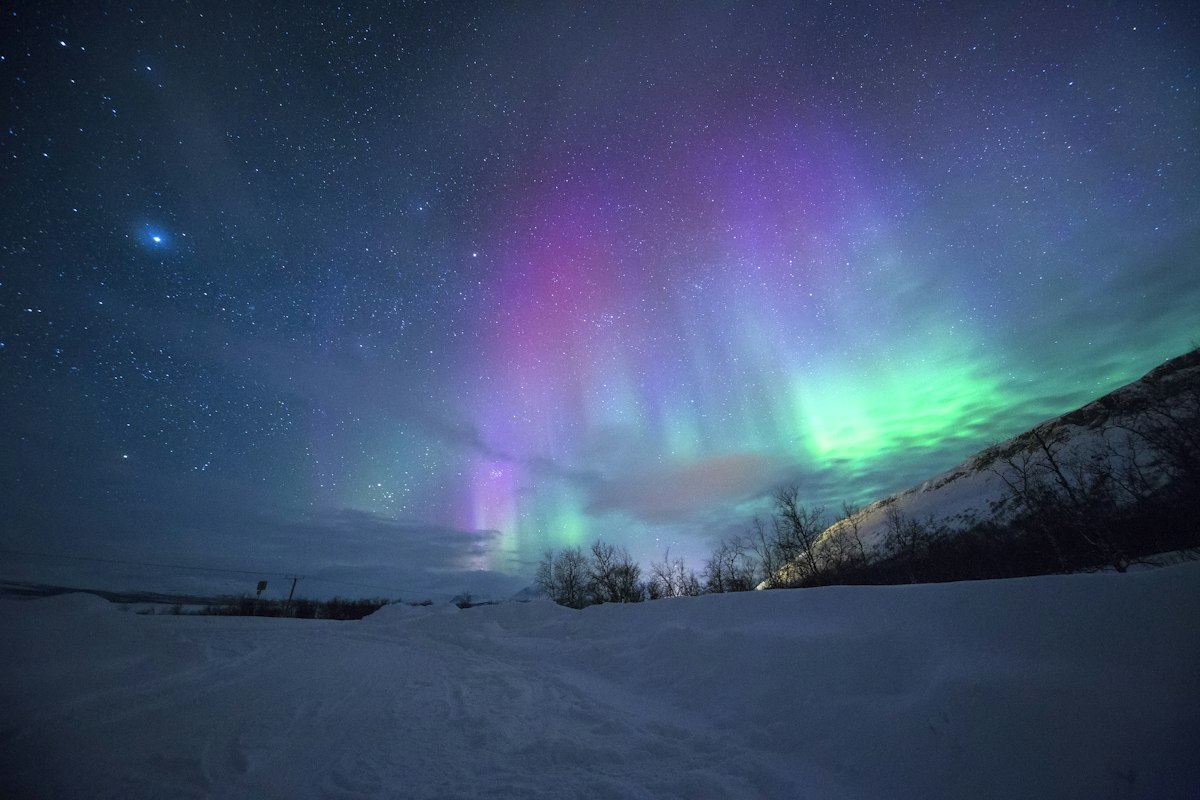
Photo by Jonatan Pie on Unsplash
To enhance your experience, it’s worth considering booking a guided tour, as local guides have the expertise to find the best spots depending on weather conditions and auroral activity.
Speak the language
Never get stuck for words in Norwegian
Someone speaks to you in Norwegian? TalkBuoy listens in real time and suggests exactly what to say back. Your AI companion for travel conversations and language learning.
Recommended · Language
Speak Norwegian
From everyday phrases to Norskprøven-ready practice.
Get it on AmazonWeather Conditions That Affect Visibility

Photo by Angela Compagnone on Unsplash
Weather plays a significant role in your chances of seeing the Northern Lights. Clear, dark skies are ideal, so understanding typical weather patterns in Norway during the winter months is vital. Here are several factors to consider:
- Cloud Cover: Overcast skies can completely obscure the Northern Lights. Check local weather forecasts and satellite images for cloud coverage forecasts when planning your viewing nights. Apps and websites dedicated to aurora forecasts can also provide real-time updates on solar activity and weather conditions.
- Light Pollution: Urban areas can diminish the visibility of the Northern Lights. To enhance your experience, consider venturing into remote areas, far from city lights. Regions like Alta, Senja, and the northern reaches of Finnmark offer excellent viewing conditions away from artificial light.
- Temperature: While cold weather isn’t a deterrent to the lights themselves, it can affect your comfort while waiting for the display. Dress warmly in layers, and consider investing in thermal gear. Being prepared will allow you to focus on the experience rather than the chill.
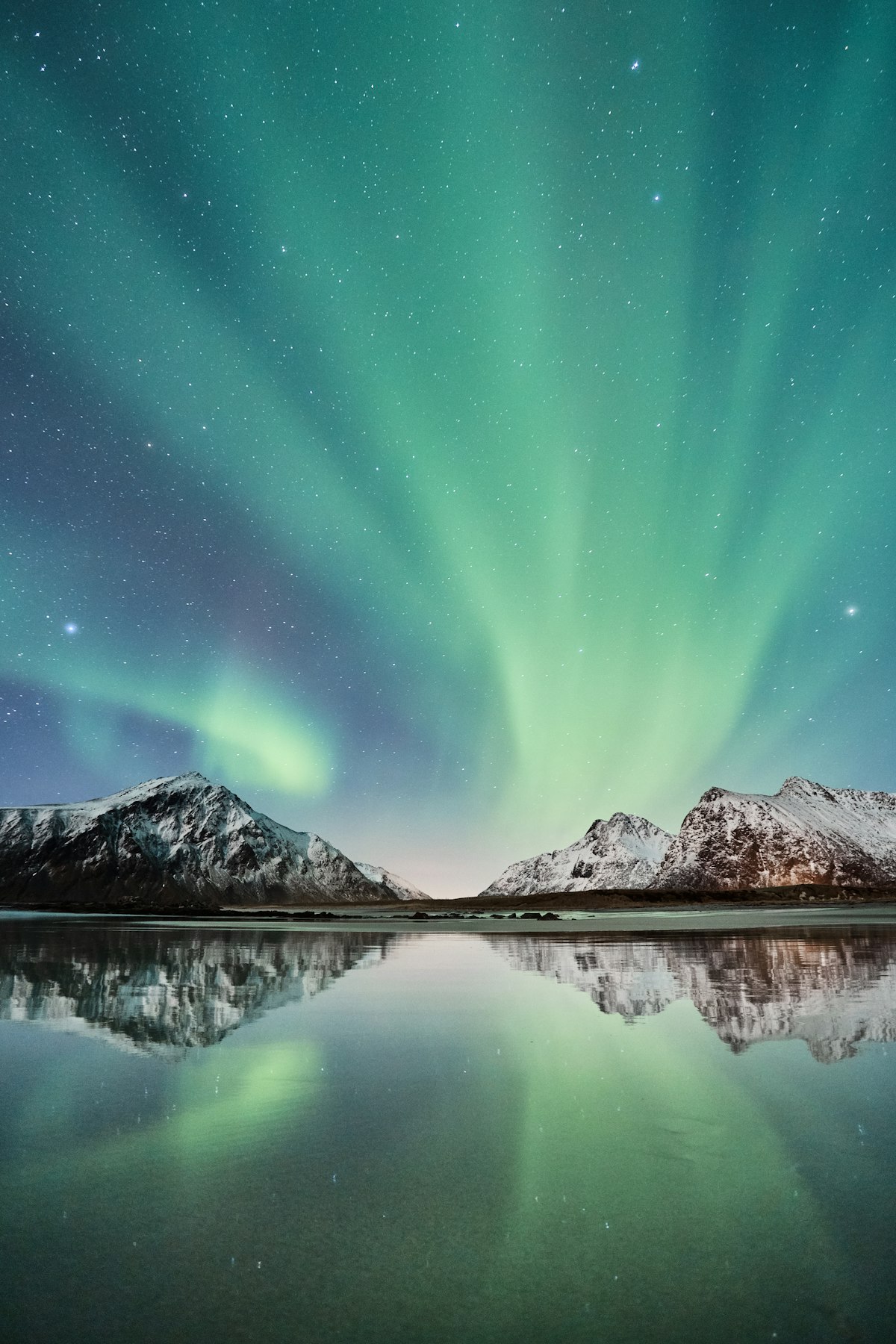
Photo by Robert Bye on Unsplash
Local guides often suggest checking weather apps and aurora forecasting tools before heading out, so you can adapt your plans based on the latest information.
Discover top experiences
Recommended · Travel
Norway: 1,000 Ideas
A thousand curated ideas for every corner of Norway.
Get it on AmazonMerch · T-shirt
Aurora Chaser T-Shirt
Wear your love for the northern lights. Original design, soft cotton, multiple colours.
Shop on AmazonMerch · T-shirt
Fjord Life T-Shirt
Norway coastal life on a soft cotton tee. Original design, multiple colours.
Shop on AmazonAffiliate links — we may earn a small commission at no extra cost to you.
Top Locations for Northern Lights Viewing in Norway
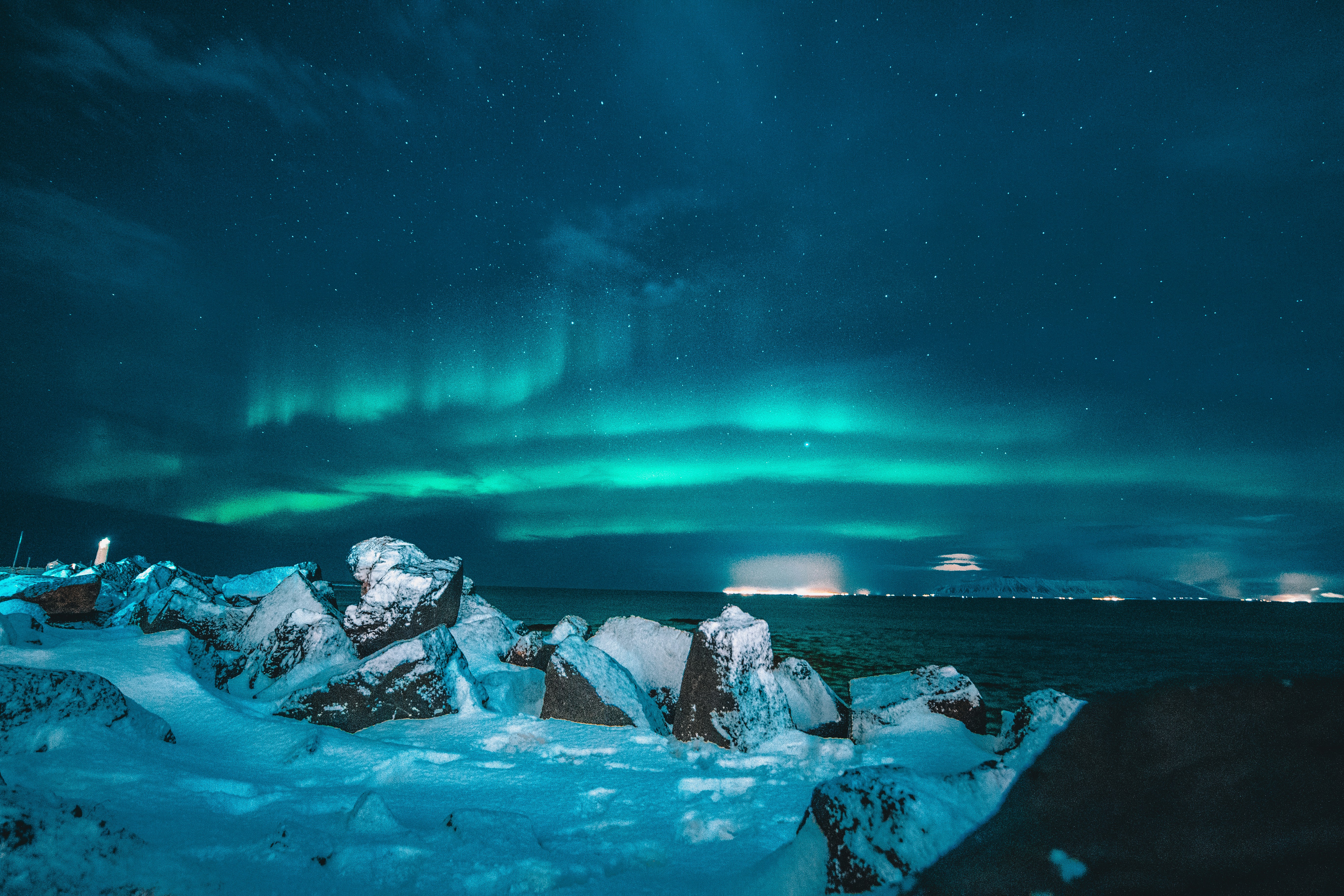
Photo by Kym Ellis on Unsplash
Norway is dotted with numerous incredible spots to witness the Northern Lights. Here are some of the best locations, each offering unique experiences:
- Tromsø: Known as the 'Gateway to the Arctic', Tromsø is one of the most popular destinations for aurora chasers. The city offers a blend of urban amenities and proximity to nature, making it easy to embark on guided tours that lead you to the best viewing spots. Don't miss out on the Arctic Cathedral and the Fjellheisen cable car for panoramic views of the surrounding landscape.
- Lofoten Islands: This archipelago is famous for its dramatic scenery, with jagged peaks and quaint fishing villages. The Lofoten Islands provide an idyllic backdrop for the Northern Lights. The combination of mountains and sea makes for stunning photographs, especially at locations like Reine and Hamnøy.
- Svalbard: For the more adventurous, Svalbard offers a unique Arctic experience. This remote archipelago is located between mainland Norway and the North Pole, providing some of the darkest skies for aurora viewing. The polar night here lasts for several months, making it an extraordinary place to see the lights.
- Alta: Known as the 'City of the Northern Lights', Alta has a rich history associated with aurora research. The surrounding wilderness offers excellent conditions for viewing, and the unique Northern Lights Cathedral is worth a visit.
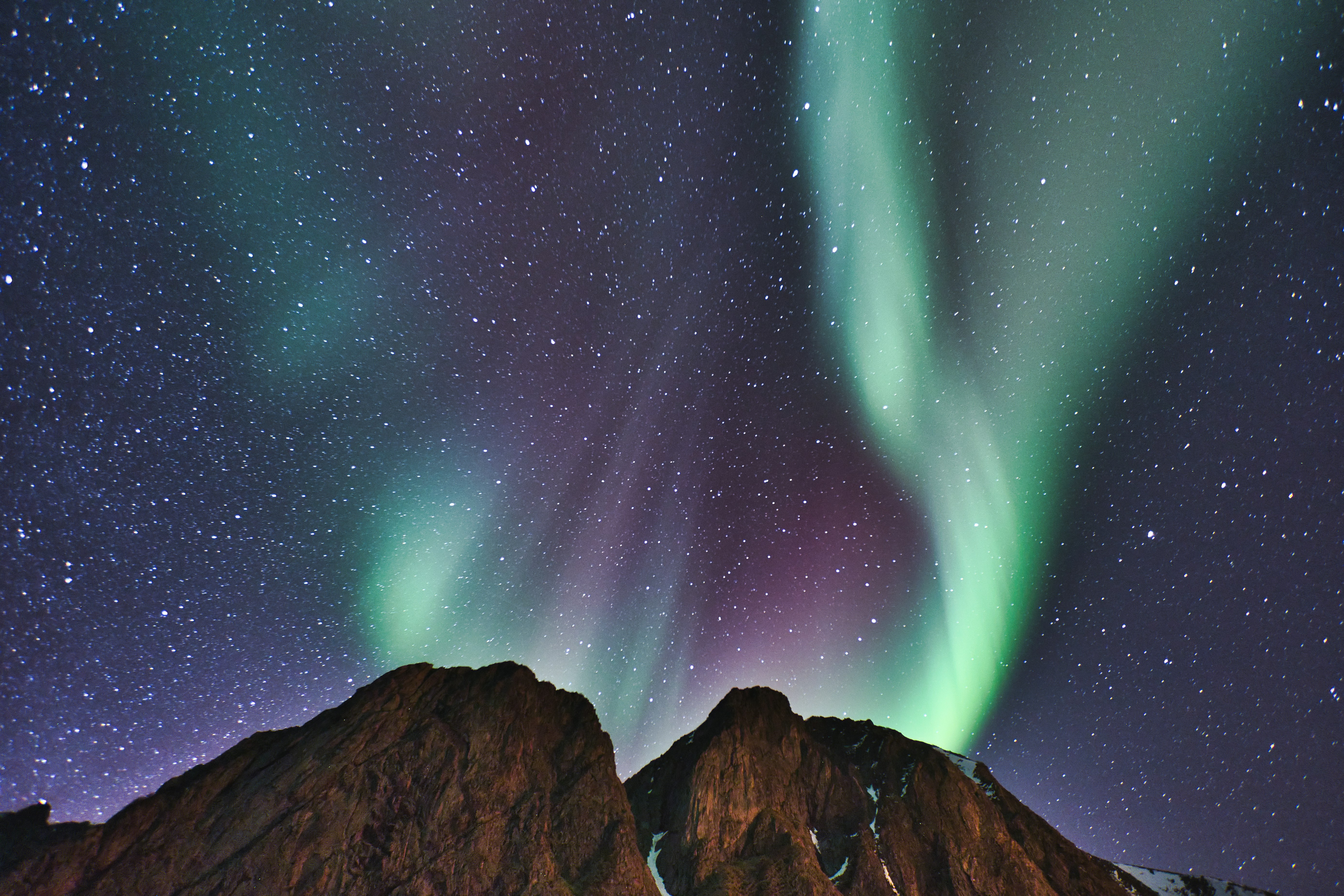
Photo by Tomáš Malík on Unsplash
Each of these locations provides not only the chance to see the Northern Lights but also opportunities for local experiences like dog sledding, snowshoeing, and Sami cultural encounters.
Travelling to Norway?
Travel insurance from $0.99/day — worldwide coverage
Affiliate link — we may earn a commission at no extra cost to you.
Local Legends and Folklore About the Northern Lights
Photo by carmen dominguez on Unsplash
The Northern Lights have long inspired local legends and folklore among the indigenous Sami people and other cultures in Norway. These stories add a layer of cultural richness to the experience of witnessing the auroras:
- Sami Beliefs: The Sami people believed that the auroras were spirits of the departed, dancing in the sky. They regarded the lights as a symbol of good fortune and a connection to their ancestors. When viewing the auroras, many Sami would pay respect by being quiet and still, embracing the spiritual significance of the lights.
- Viking Myths: Norse mythology also has its interpretations of the Northern Lights, with tales suggesting they were reflections of the armor of the Valkyries, the warrior maidens who selected those who would die in battle and those who would live. This connection to the divine made the lights revered among ancient Norse cultures.
- Modern Interpretations: Today, many locals continue to share stories and legends about the Northern Lights, bringing a contemporary twist to age-old tales. Engaging with these stories can deepen your connection to the experience and enhance the magic of your visit.
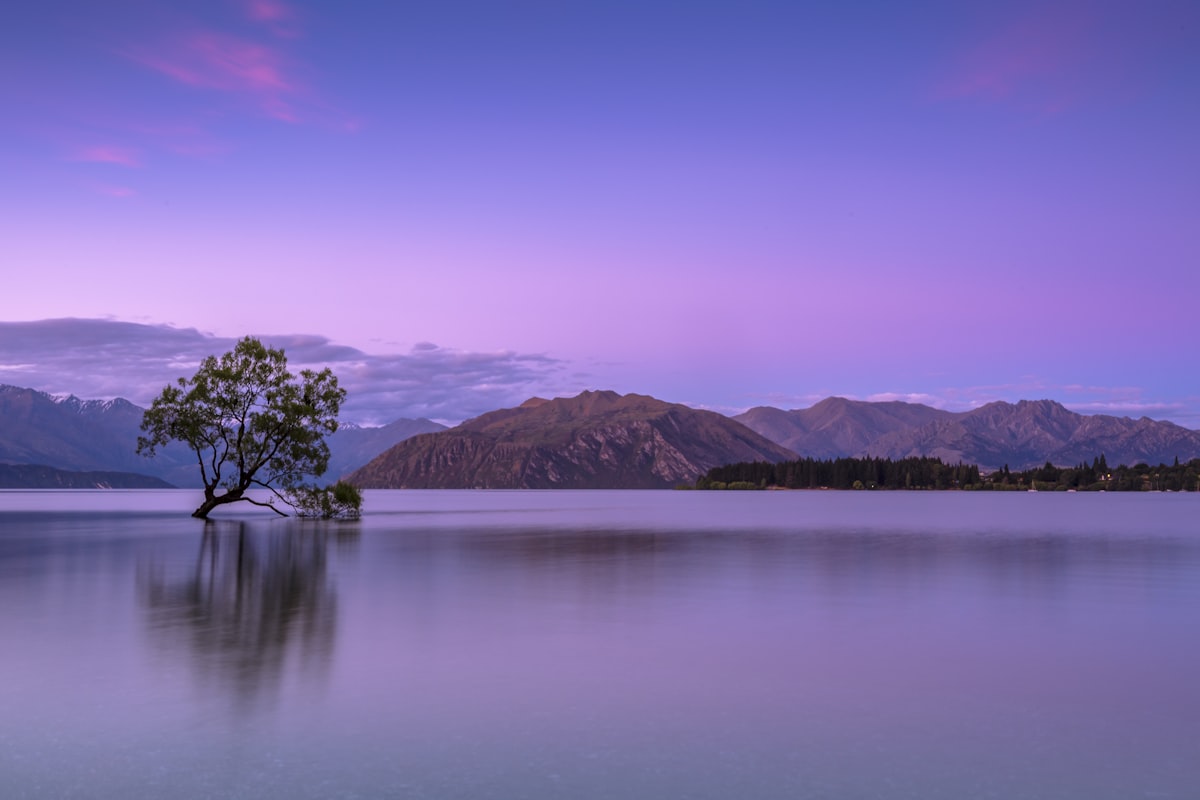
Photo by John Towner on Unsplash
As you chase the auroras, consider speaking with local guides or attending cultural events to learn more about these fascinating tales. Incorporating local folklore into your experience enriches your understanding of the Northern Lights and their place in Norwegian culture.
Cruise the Norwegian Fjords
Explore Norway by sea - unforgettable voyages
Affiliate links — we may earn a small commission at no extra cost to you.
Practical Tips for Chasing the Northern Lights

Photo by David Waite on Unsplash
To ensure a successful Northern Lights viewing experience, here are some practical tips to follow:
- Dress Appropriately: Layering is key when braving the cold. Wear thermal undergarments, a warm insulated jacket, waterproof pants, and sturdy boots. Don’t forget gloves, hats, and scarves to protect your extremities from the chill.
- Bring the Right Gear: A good camera can enhance your experience, especially if you want to capture the lights. A tripod is essential for stability, and learning how to adjust your camera settings for low-light photography can yield stunning results. Consider also bringing a flashlight, snacks, and hot beverages to keep your spirits high while you wait.
- Plan for Flexibility: The Northern Lights are notoriously unpredictable. Be prepared to change your plans based on weather conditions or auroral activity. Sometimes, the most magical moments happen when you're least expecting them. Local guides often have the best insights into where to go based on current conditions, so consider joining a tour.
- Stay Positive: Finally, keep an open mind and a positive attitude. The experience of chasing the Northern Lights is as much about the journey as it is about the destination. Embrace the adventure, and enjoy the stunning landscapes of Norway, whether or not the auroras make an appearance.
Photo by Stian Klo on Unsplash
Following these tips will help you make the most of your Northern Lights adventure, ensuring you create memories that will last a lifetime.


