Discover Coastal Norway: A Birdwatcher's Paradise
Explore the best birdwatching spots in Coastal Norway, from puffins to eagles, and embrace the wild beauty of Norwegian wildlife.
Introduction: Why Birdwatching in Coastal Norway?
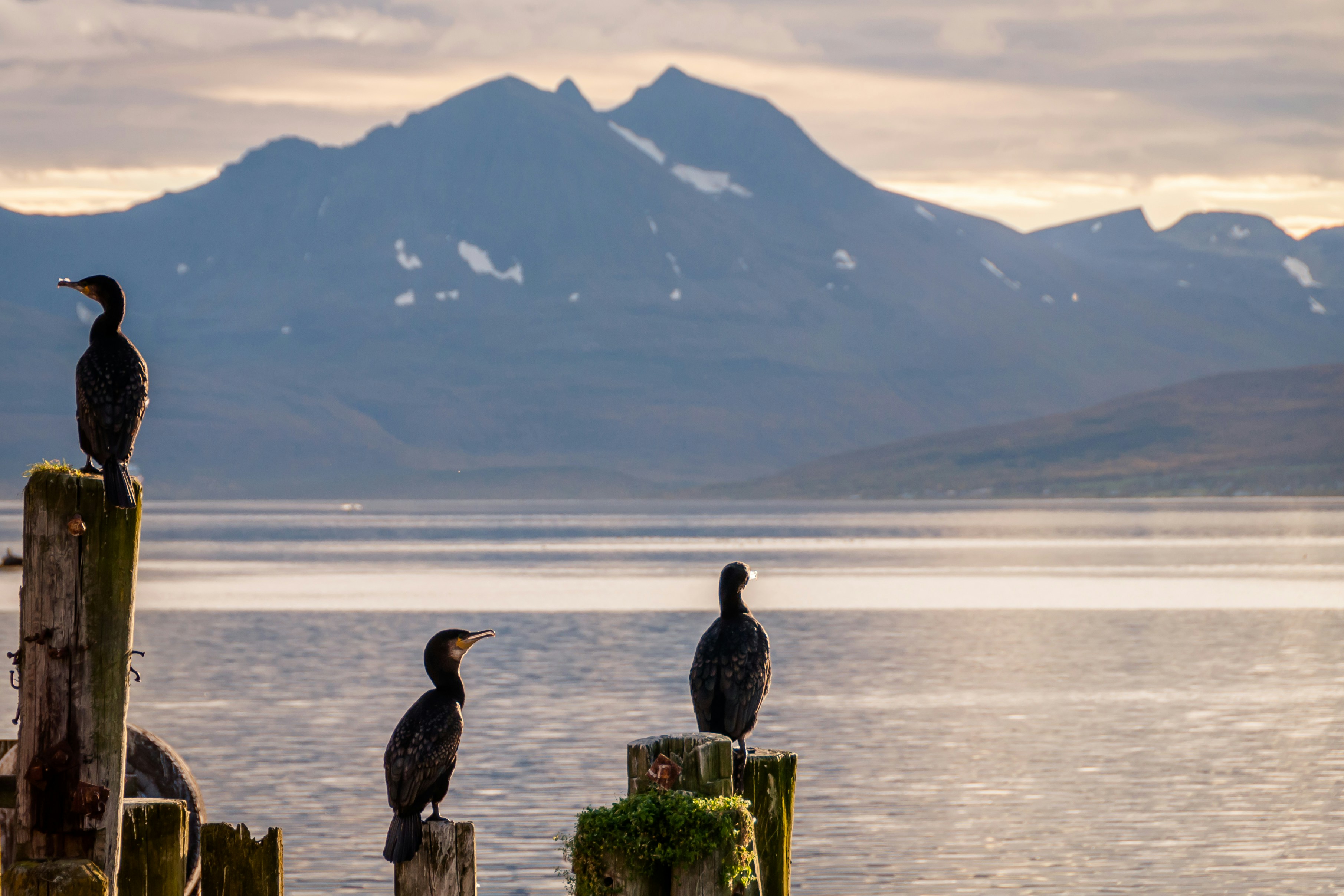
Photo by Kym Ellis on Unsplash
Coastal Norway is a haven for birdwatchers, offering diverse habitats and a stunning backdrop of mountains, fjords, and open sea. With its unique geography, this region attracts migratory species and supports a variety of resident birds, making it an ideal destination for both amateur and seasoned birdwatchers. From the iconic puffin colonies of Runde Island to the majestic eagles soaring over the Lofoten archipelago, birdwatching in this part of Norway is not just a pastime; it's an unforgettable experience that connects you with nature. In this guide, we’ll explore the best birdwatching spots along the coast, highlight the species you can expect to see, and provide practical tips to enhance your adventure.
Plan your Norway trip
Book Local Tours & Activities
Discover authentic Norwegian experiences
Find Your Perfect Stay in Norway
Hotels, cabins & unique accommodations
Affiliate links — we may earn a small commission at no extra cost to you.
Best Time for Birdwatching in Coastal Norway

Photo by Kjell Klevsand on Unsplash
The best time for birdwatching in Coastal Norway is during the spring and early summer months, particularly from late April to mid-July. During this period, migratory birds return from their wintering grounds, and the region becomes alive with activity. Puffins, for instance, typically arrive in May to breed, nesting in the numerous coastal cliffs. The long daylight hours of the Norwegian summer also provide ample opportunities for birdwatching, allowing you to observe these incredible creatures throughout the day. Additionally, autumn offers a different spectacle, with many species migrating south, making it an exciting time for bird enthusiasts to witness this natural phenomenon.
Speak the language
Never get stuck for words in Norwegian
Someone speaks to you in Norwegian? TalkBuoy listens in real time and suggests exactly what to say back. Your AI companion for travel conversations and language learning.
Top Birdwatching Spots in Coastal Norway
Photo by Luca Bravo on Unsplash
- Runde Island: Known as the 'Puffin Island', Runde is home to one of the largest puffin colonies in Norway. From late April to late August, you can observe thousands of these colorful birds nesting along the cliffs. The island is also home to various seabirds, including guillemots and razorbills. For more information, check out the Runde visitor guide.
- Lofoten Islands: This stunning archipelago offers breathtaking views and rich birdlife, including the majestic sea eagle, which can often be seen soaring over the dramatic landscapes. The best viewing spots include the cliffs near Reine and the areas around Værøy and Røst. You can find more about visiting Lofoten on Visit Lofoten.

Photo by Michiel Annaert on Unsplash
- Varanger Peninsula: Located in the far northeast, Varanger is a unique birdwatching destination, particularly in spring and early summer. Here, you can spot rare species such as the Brunnich guillemot and various shorebirds. The stunning coastal scenery adds to the allure of this remote wilderness. For more details, visit Visit Varanger.
- Bodø and the Saltstraumen: The area surrounding Bodø is rich in birdlife, with the Saltstraumen maelstrom attracting a variety of seabirds. Look for kittiwakes, cormorants, and eagles fishing in the turbulent waters. Visiting during the summer months provides excellent opportunities for observing nesting birds. You can find more about Bodø on Visit Bodø.

Photo by Robert Bye on Unsplash
- Fugloya Island: This lesser-known gem is home to a plethora of seabirds and offers a quieter birdwatching experience. It’s particularly famous for its puffin colonies, and the dramatic cliffs provide a stunning backdrop for birding adventures.
Discover top experiences
Affiliate links — we may earn a small commission at no extra cost to you.
Practical Tips for Birdwatching

Photo by Barnabas Davoti on Unsplash
To enhance your birdwatching experience in Coastal Norway, consider the following practical tips:
- Bring the Right Gear: A good pair of binoculars is essential for birdwatching. Choose a pair with a magnification of 8x to 10x for optimal viewing. A camera with a zoom lens is also recommended to capture memorable moments.
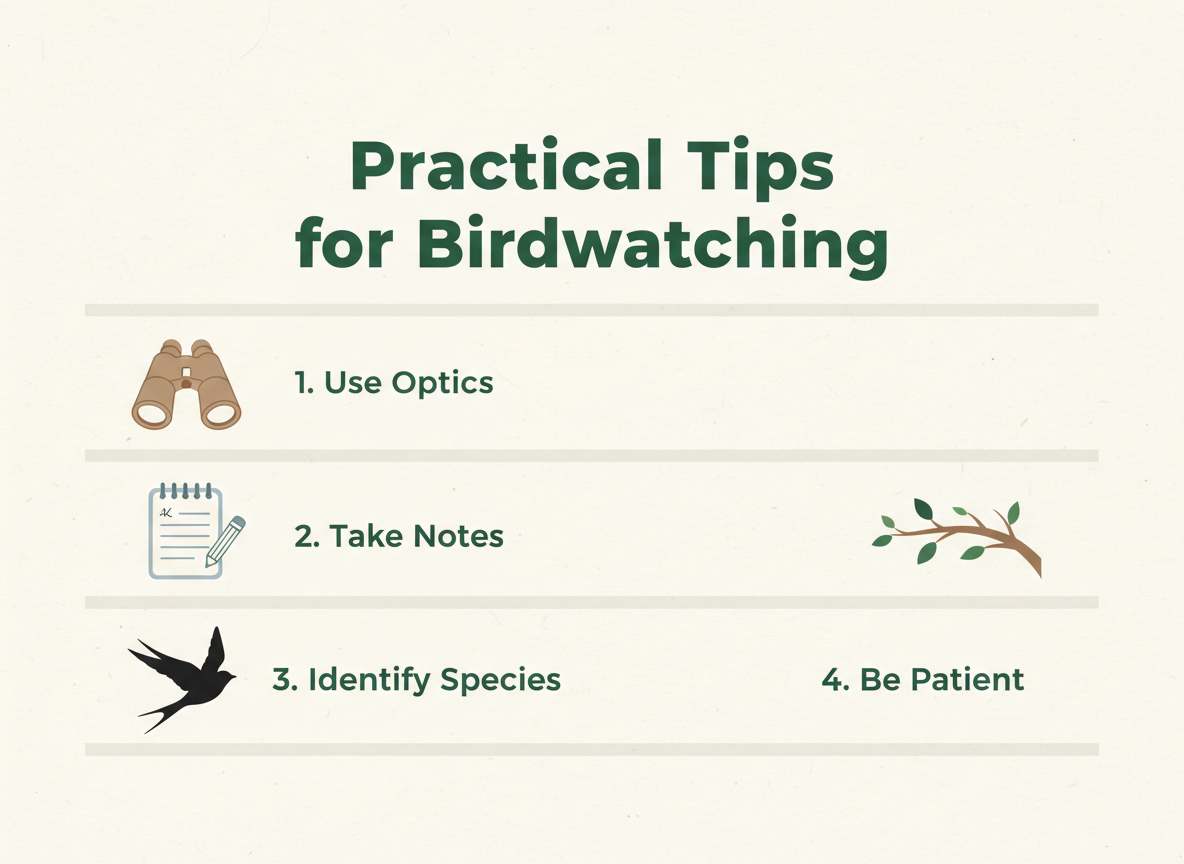
Photo by Tomáš Malík on Unsplash
- Dress Appropriately: Coastal weather can be unpredictable, so dress in layers and be prepared for rain and wind. Waterproof clothing and sturdy hiking boots will ensure comfort during your excursions.
- Time Your Visits: Early mornings and late afternoons are often the best times for birdwatching when birds are most active. Plan your outings around these times for a greater chance of spotting various species.

Photo by Stian Klo on Unsplash
- Respect Wildlife: Always maintain a respectful distance from birds and their nesting sites. Use binoculars to observe without disturbing their natural behavior, and avoid trespassing on private land or protected areas.
Travelling to Norway?
Travel insurance from $0.99/day — worldwide coverage
Affiliate link — we may earn a commission at no extra cost to you.
Getting There: How to Experience Coastal Norway

Photo by Hans-Joachim Kaiser on Unsplash
Coastal Norway is accessible via various means of transport. The main cities, such as Bergen and Bodø, are well-connected by flight to major airports throughout Norway and Europe. From there, you can rent a car to explore the coastal regions at your own pace.
Public transportation, including buses and ferries, is also available for those who prefer not to drive. The Hurtigruten coastal ferry is a popular choice, offering stunning views of the coastline while traveling between ports. Many birdwatching hotspots can be reached via short hikes or guided tours, which can enhance your chances of spotting wildlife.
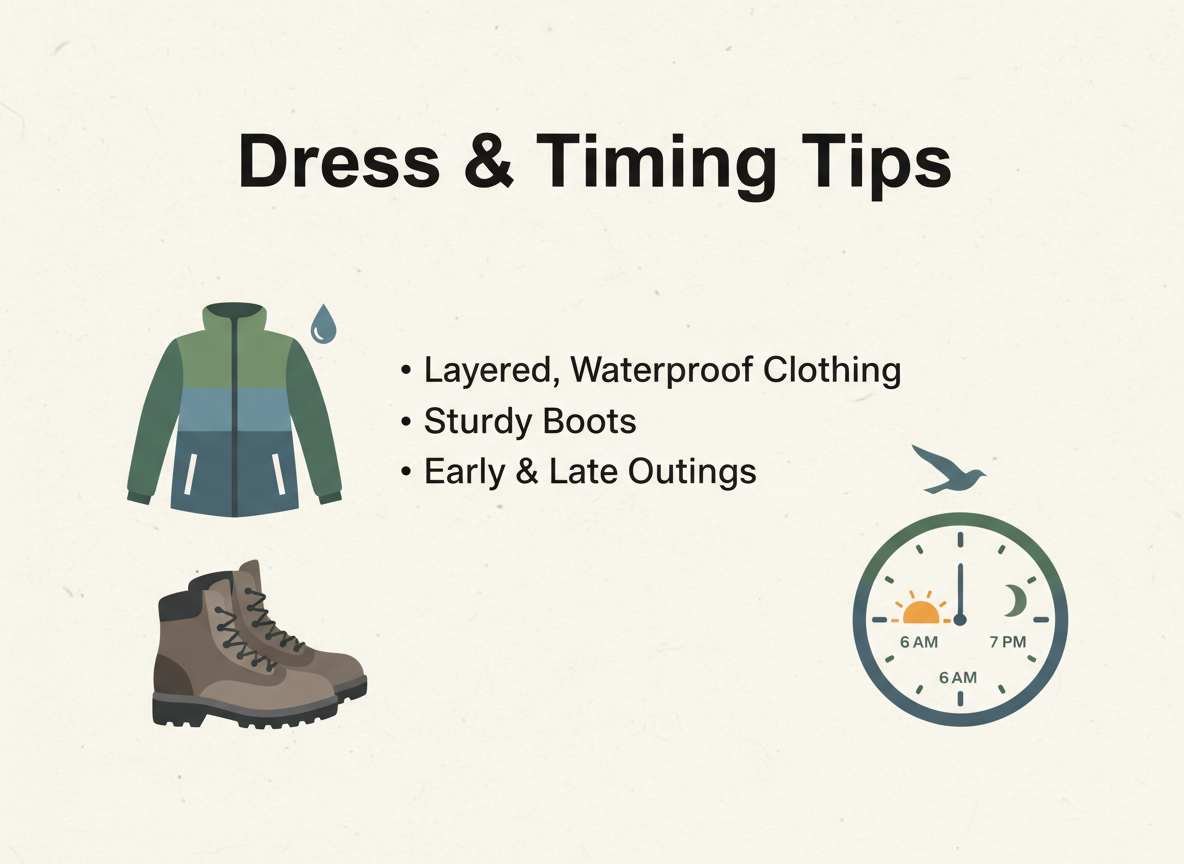
Photo by Jonatan Pie on Unsplash
Once you arrive, consider joining a local birdwatching tour or workshop. These experiences, led by knowledgeable guides, provide insights into the best spots and techniques for observing birds, making your adventure even more rewarding.
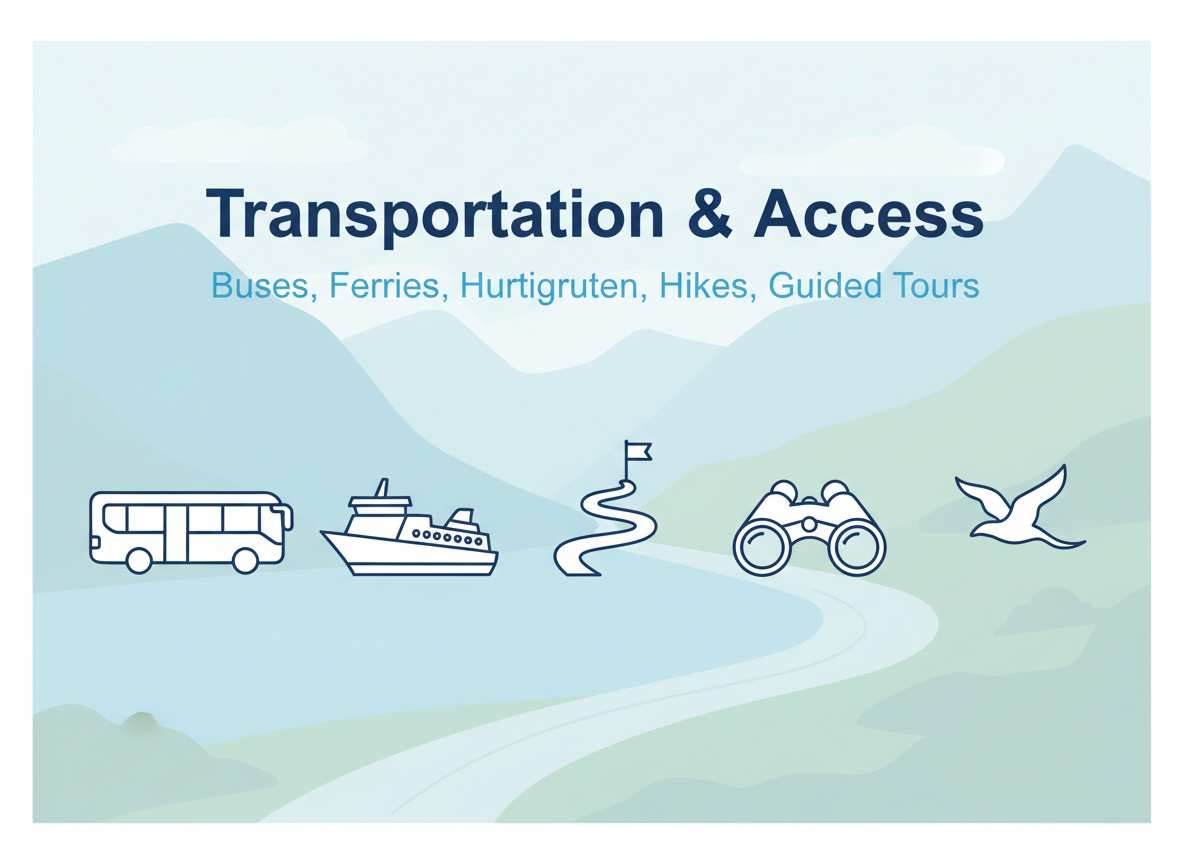
Photo by John O'Nolan on Unsplash
Cruise the Norwegian Fjords
Explore Norway by sea - unforgettable voyages
Affiliate links — we may earn a small commission at no extra cost to you.
Insider Tips for the Best Birdwatching Experience

Photo by Arvid Høidahl on Unsplash
- Join Local Birdwatching Communities: Engaging with local birdwatching groups or forums can provide valuable insights and tips on the best birding locations and times. Websites and social media groups often share recent sightings and help you connect with like-minded enthusiasts.
- Use Bird Identification Apps: Downloading bird identification apps can significantly enhance your birdwatching experience. These apps often include photos, calls, and detailed information about various species, making it easier to identify and learn about the birds you encounter.
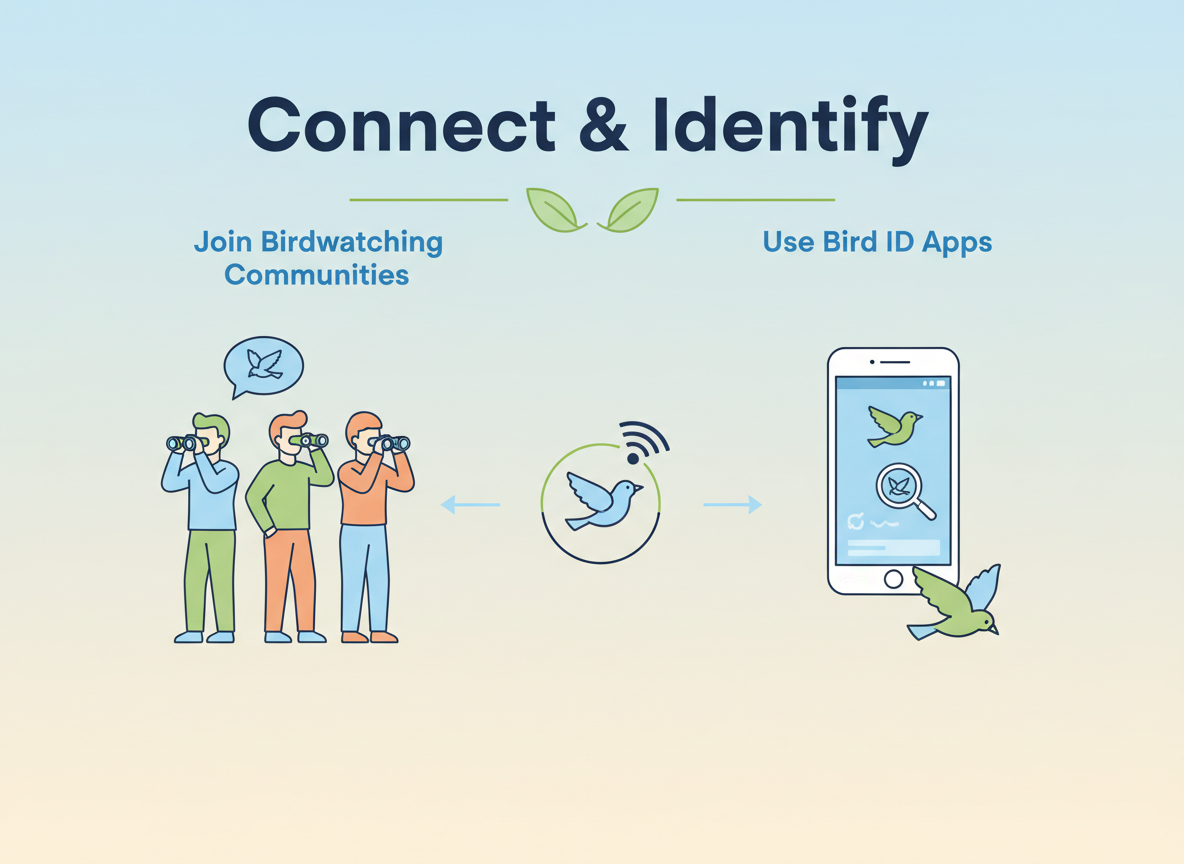
Photo by John Towner on Unsplash
- Consider Off-Peak Visits: If you prefer a quieter experience, try visiting popular birdwatching locations during the shoulder seasons or weekdays. You’ll have a better chance of enjoying the natural beauty without the crowds while still encountering a variety of birds.
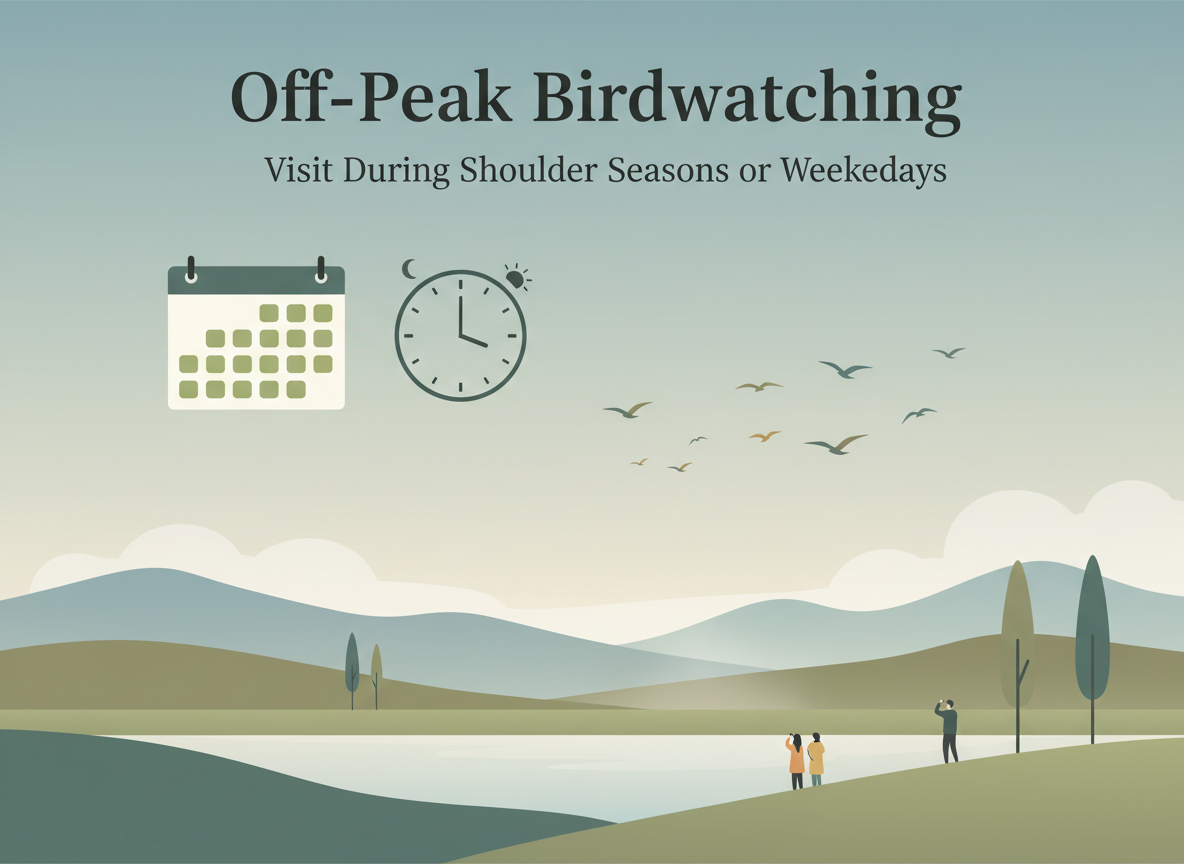
Photo by David Marcu on Unsplash
- Be Patient: Birdwatching requires patience. Sometimes, it takes time to spot the birds, so finding a comfortable spot and waiting quietly can yield rewarding moments of discovery. Bring a book or enjoy the surrounding scenery while you wait.