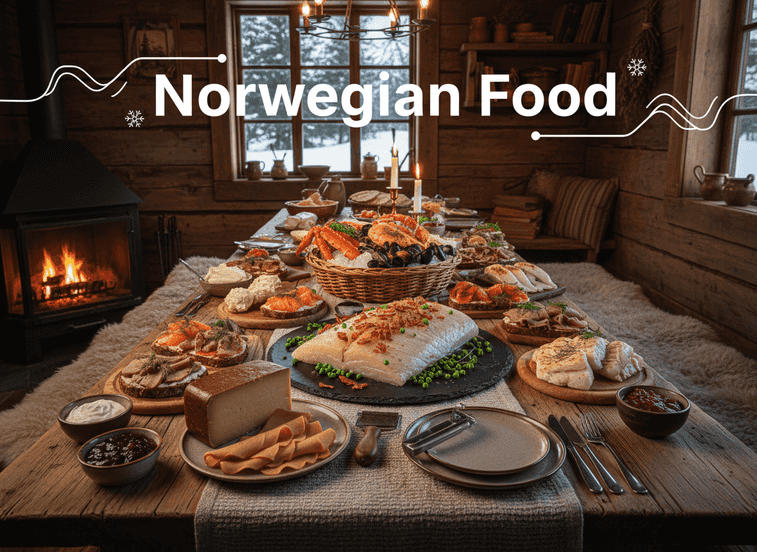
Discovering Norwegian Food Culture: From Lutefisk to Brunost
Explore the rich tapestry of Norwegian cuisine, from traditional dishes to modern culinary experiences across Norway.
Introduction to Norwegian Food Culture
Photo by Stock Birken on Unsplash
Norwegian food culture is a fascinating blend of history, geography, and tradition that reflects the country's rich natural resources and the resilience of its people. From the rugged fjords to the expansive forests, Norway's cuisine is rooted in the land, making use of fresh, local ingredients. This guide aims to introduce you to the diverse and delicious offerings of Norwegian food, highlighting traditional dishes like lutefisk, the unique taste of brunost (brown cheese), and countless other culinary delights that capture the essence of Norway.
Food in Norway is not just about sustenance; it is a cultural experience that brings people together. The communal aspect of dining is highlighted during festivities and gatherings, where traditional dishes are shared among family and friends. This guide will help you navigate the culinary landscape of Norway, making your journey through its food culture both enriching and memorable.
Plan your Norway trip
Book Local Tours & Activities
Discover authentic Norwegian experiences
Find Your Perfect Stay in Norway
Hotels, cabins & unique accommodations
Affiliate links — we may earn a small commission at no extra cost to you.
Best Time to Experience Norwegian Cuisine
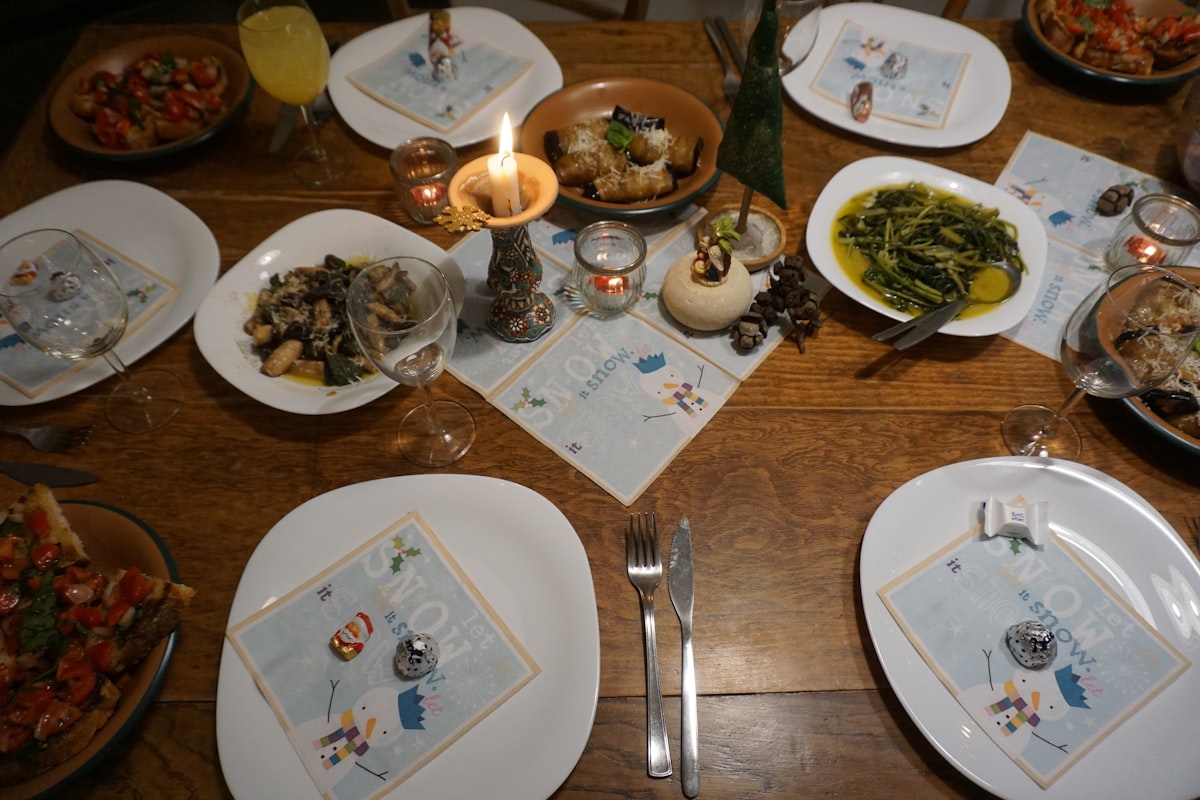
Photo by Georg Arthur Pflueger on Unsplash
The best time to explore Norwegian food culture largely depends on the specific dishes you want to try. Winter, particularly around Christmas, is when traditional dishes such as ribbe (roast pork belly) and lutefisk are served. The festive season is a perfect time to experience the warmth of Norwegian hospitality, as families and friends gather to share hearty meals.
Spring and summer offer a different culinary experience, with an abundance of fresh produce, seafood, and outdoor grilling. This is when you can enjoy dishes featuring fresh fish, such as salmon and cod, often prepared simply to highlight their natural flavors. The 'Matfestival' or food festivals held during this season showcase local delicacies and provide opportunities to sample the best of Norwegian cuisine.
Photo by John Towner on Unsplash
Fall, on the other hand, is ideal for experiencing traditional harvest foods, such as root vegetables and game meats. The seasonal variations in Norwegian food culture provide a dynamic and evolving culinary experience throughout the year.
Photo by Vidar Nordli-Mathisen on Unsplash
Speak the language
Never get stuck for words in Norwegian
Someone speaks to you in Norwegian? TalkBuoy listens in real time and suggests exactly what to say back. Your AI companion for travel conversations and language learning.
Traditional Norwegian Dishes to Try
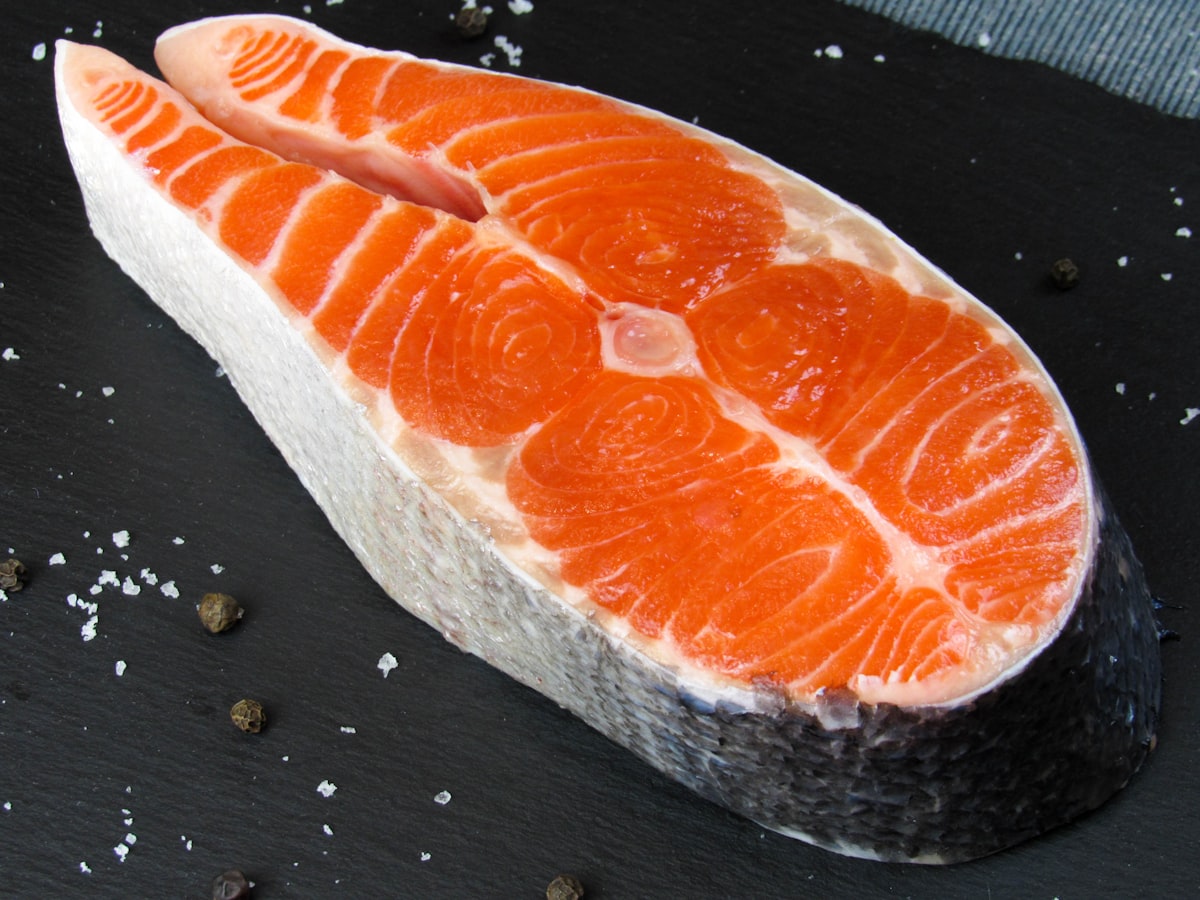
Photo by Karyna Panchenko on Unsplash
Norwegian cuisine is characterized by its use of fresh and often locally sourced ingredients. Here are some traditional dishes you must try:
- Lutefisk: A classic traditional dish made from dried fish (usually cod) that has been soaked in a lye solution. It is typically served with potatoes, peas, and a white sauce. Lutefisk has a unique texture and flavor, making it a true delicacy for adventurous eaters.
- Rømmegrøt: A creamy porridge made from sour cream and flour, rømmegrøt is traditionally served with sugar, cinnamon, and cured meats. This dish is particularly popular during the summer months and festive occasions.
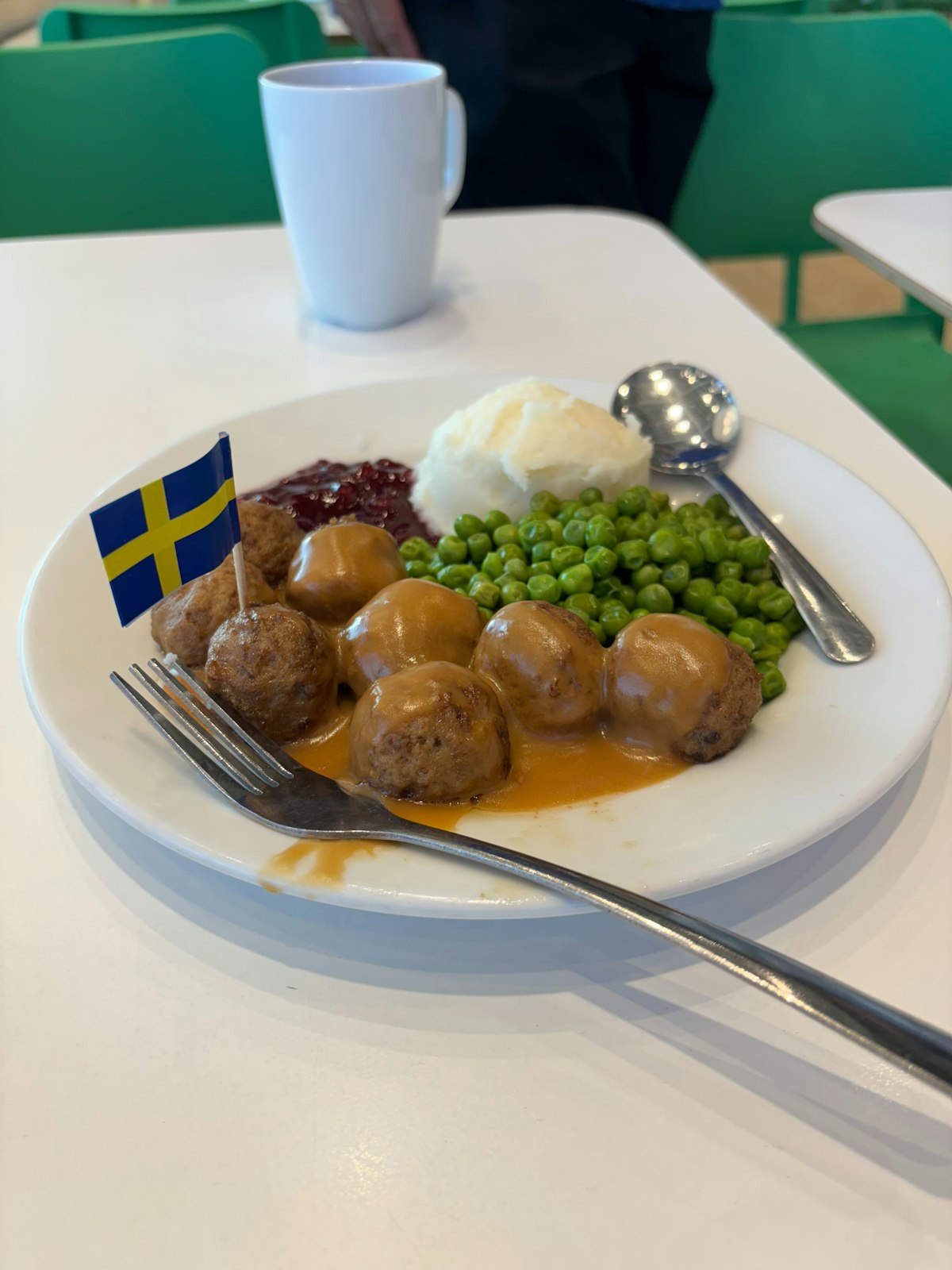
Photo by Ludzurzy on Unsplash
- Kjøttkaker: Norwegian meatballs, often served with gravy, potatoes, and lingonberry sauce, are a comforting staple. They can be found in homes and restaurants alike, showcasing the country's love for hearty, filling meals.
- Brunost (Brown Cheese): This unique cheese made from whey has a sweet, caramel-like flavor and is a staple on Norwegian breakfast tables. It pairs beautifully with bread and crackers or can be enjoyed on its own.
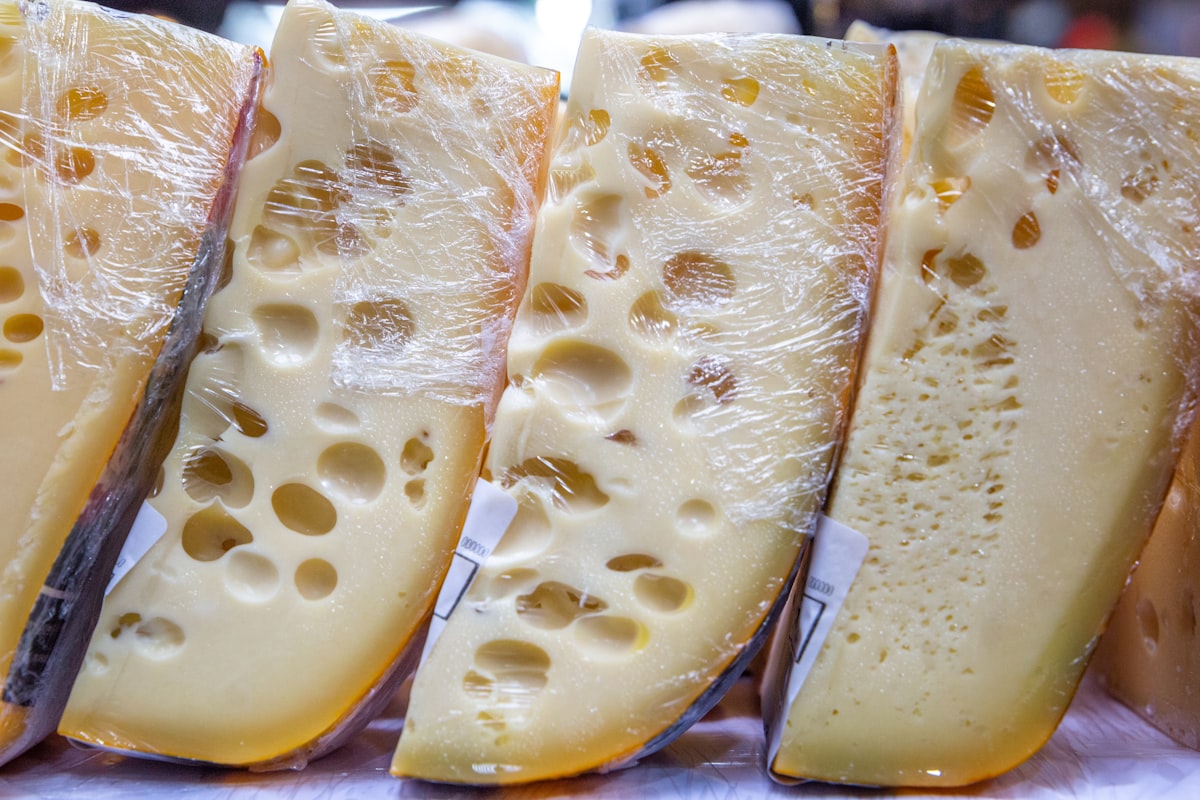
Photo by Wagner Vilas on Unsplash
- Fårikål: Regarded as Norway's national dish, this hearty lamb and cabbage stew is a must-try in the fall, especially during the annual Fårikål Feast held in late September.
These traditional dishes not only highlight the flavors of Norway but also tell the story of its culture and heritage.
Discover top experiences
Affiliate links — we may earn a small commission at no extra cost to you.
Modern Norwegian Cuisine: A Culinary Revolution
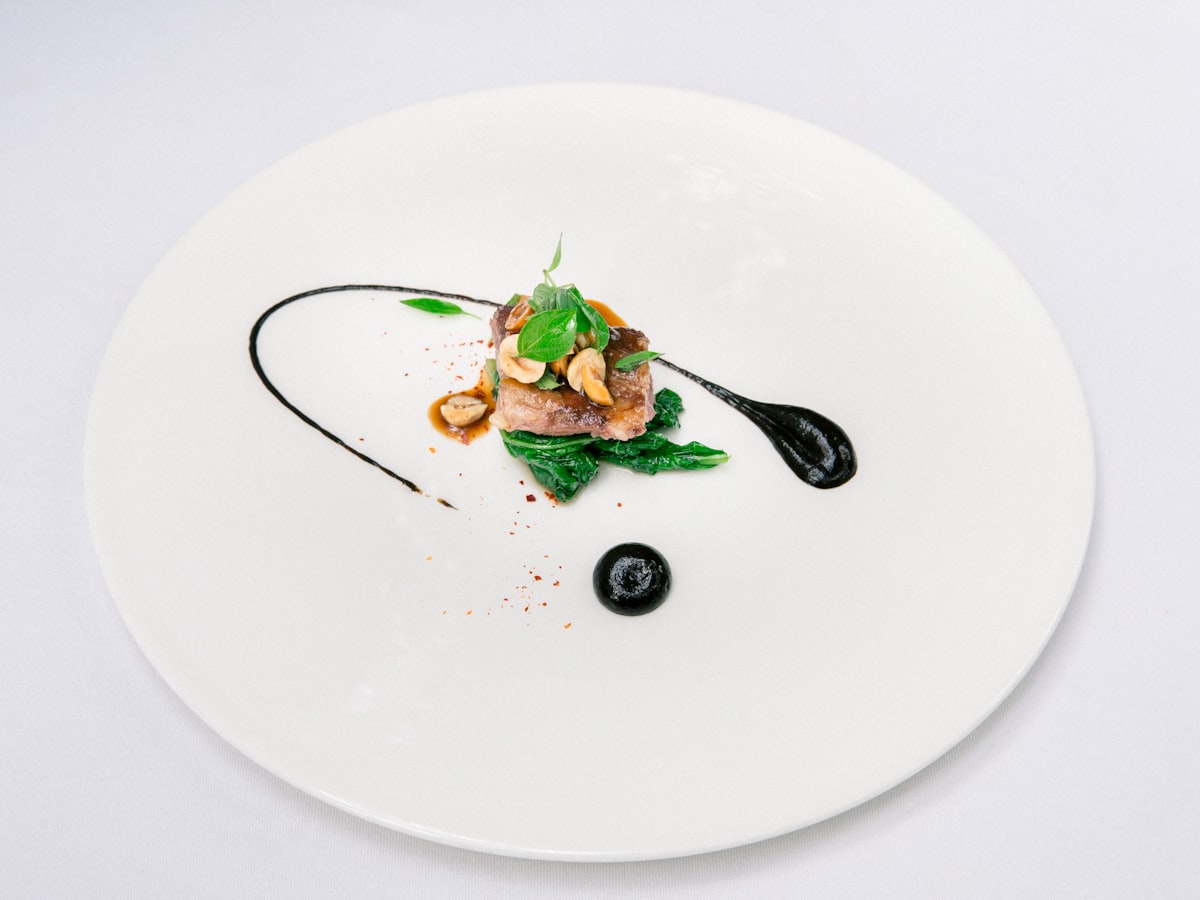
Photo by Delightin Dee on Unsplash
In recent years, Norway has witnessed a culinary revolution, blending traditional recipes with innovative techniques and global influences. Chefs across the country are reimagining classic dishes, presenting them with a modern twist while honoring their roots.
Restaurants like Maaemo in Oslo have gained Michelin stars for their commitment to using local ingredients and sustainability, demonstrating how Norwegian cuisine can compete on the global stage. This trend is not limited to high-end dining; many cafés and bistros are embracing the farm-to-table philosophy, sourcing ingredients from local producers.
Moreover, street food has become increasingly popular, especially in urban areas. Food trucks and markets offer a casual way to experience contemporary Norwegian flavors. You can find everything from fish tacos made with fresh cod to gourmet burgers featuring local meats. This evolving food scene allows visitors to explore the range of tastes and textures that modern Norwegian cuisine has to offer.
Travelling to Norway?
Travel insurance from $0.99/day — worldwide coverage
Affiliate link — we may earn a commission at no extra cost to you.
Where to Find Authentic Norwegian Food
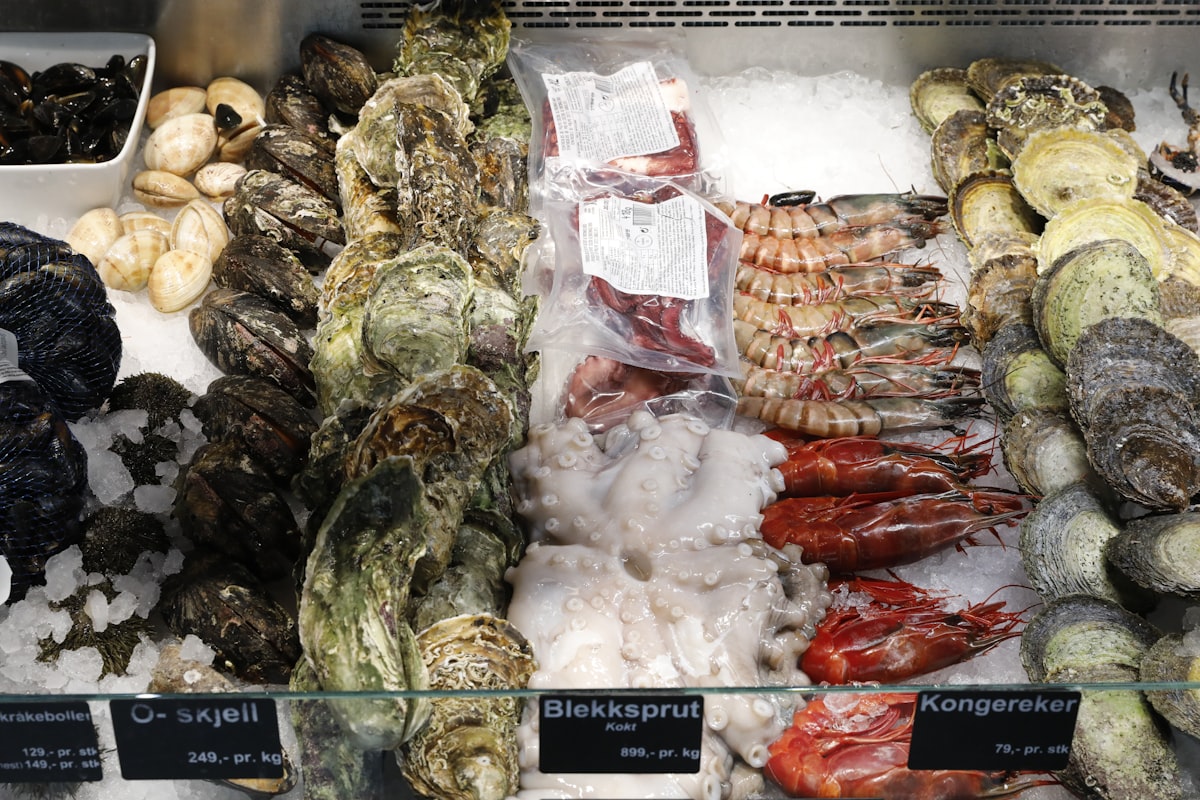
Photo by Georg Eiermann on Unsplash
To truly experience Norwegian food culture, it’s essential to visit local eateries, markets, and festivals. Here are some recommendations:
- Mathallen Oslo: This food hall in the capital city features a variety of vendors, offering everything from traditional Norwegian dishes to modern interpretations. It's a great place to sample multiple foods in one visit and learn about local culinary practices.
- Fish Market in Bergen: One of the best places to sample fresh seafood, the Bergen Fish Market showcases the day’s catch and provides an authentic taste of Norway’s coastal cuisine.
- Lofoten Islands: Known for their stunning landscapes and fishing villages, the Lofoten Islands are a must-visit for fresh fish dishes, particularly stockfish, which has been a staple in the area for centuries.
- Røros: This UNESCO World Heritage site is known for its traditional farming practices and offers several restaurants that serve local game, dairy products, and root vegetables, providing a true taste of Norway’s rural food culture.
- Norwegian Food Festivals: Throughout the year, various food festivals celebrate local ingredients and culinary traditions. Visiting these festivals not only allows you to sample a wide array of dishes but also to meet the people behind the food and learn about their stories.
Cruise the Norwegian Fjords
Explore Norway by sea - unforgettable voyages
Affiliate links — we may earn a small commission at no extra cost to you.
Practical Tips for Enjoying Norwegian Food

Photo by Ben Kolde on Unsplash
- Reservations: For popular restaurants, especially those with Michelin stars, make reservations in advance to secure your spot. Many places can be booked online, making it convenient.
- Try the Local Beverages: Don’t miss out on trying local beverages, such as aquavit (a traditional spirit) or craft beers made by local breweries. They often pair beautifully with the food.
- Embrace the Slow Food Movement: Norwegian culture values quality over quantity, so take your time to savor each meal. Many eateries emphasize a relaxed dining experience, which is a great way to enjoy the culinary offerings.
- Ask Questions: Don’t hesitate to ask locals or restaurant staff for recommendations. They can provide insights into the best dishes to try and the stories behind them, enhancing your culinary journey.
- Be Open to New Experiences: Norwegian cuisine may challenge your palate with unique flavors and textures. Be adventurous and try dishes that may seem unfamiliar; you might discover a new favorite!
Flight delayed or cancelled?
You may be owed up to €600 in compensation
Affiliate links — we may earn a small commission at no extra cost to you.
Getting There and How to Experience Norwegian Cuisine
Photo by Kateryna Senkevych on Unsplash
Norway is well-connected by air, with major international airports in Oslo, Bergen, and Stavanger. Domestic flights, trains, and ferries make it easy to travel between cities and regions, allowing you to explore the diverse culinary landscape.
To experience Norwegian cuisine fully, consider joining a food tour. Many companies offer guided tours that include tastings at local markets, visits to farms, and cooking classes that teach you how to prepare traditional dishes. This hands-on approach not only introduces you to the flavors of Norway but also immerses you in the culture and traditions that shape its culinary scene.
Additionally, participating in local food festivals and events can enhance your experience. These gatherings often feature cooking demonstrations, tastings, and opportunities to meet local chefs, providing a deeper understanding of Norwegian food culture.
Insider Tips for a Culinary Adventure in Norway
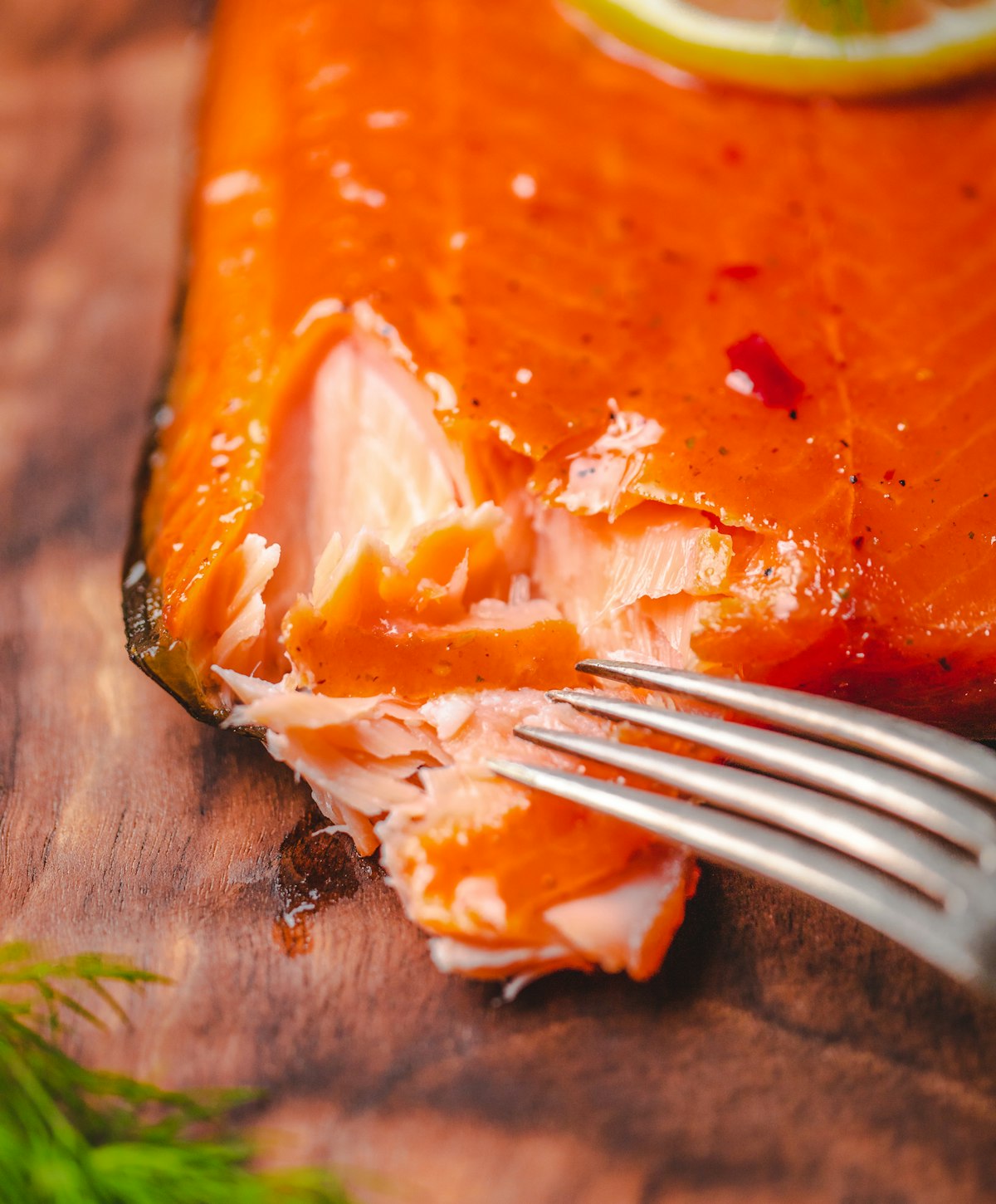
Photo by Chad Montano on Unsplash
- Follow the Seasons: Seasonal ingredients greatly influence Norwegian cuisine. Knowing what's in season can help you choose the best dishes to try at any given time.
- Explore Off the Beaten Path: While major cities have fantastic dining options, don't overlook smaller towns and rural areas where you can find authentic food experiences and hidden culinary gems.
- Visit Local Markets: Farmers' markets and food festivals provide a chance to meet local producers, taste fresh ingredients, and find unique food items that you won’t find in restaurants.
- Utilize Apps: Consider downloading food apps that highlight local restaurants, food trucks, and markets. They often include user reviews and tips for the best dishes to try.
- Engage with Locals: Don't shy away from striking up conversations with locals about their food traditions. Many are eager to share their favorite dishes, recipes, and dining spots, enriching your culinary journey.