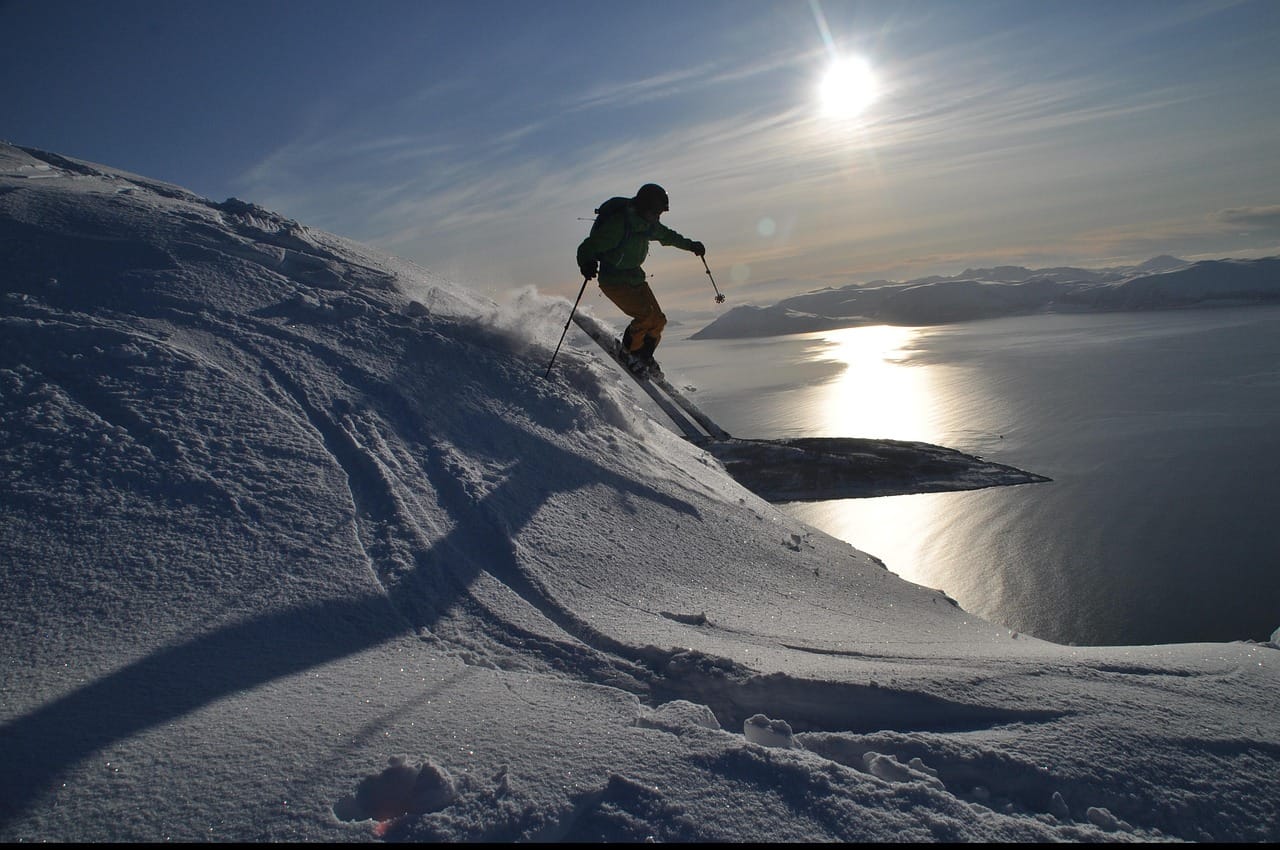
Climate Change Challenges Norway's Skiing Tradition
As climate change alters winter conditions, Norway's skiing culture faces new challenges that may impact visitors' winter experiences.
Norway's iconic skiing culture is facing unprecedented challenges due to climate change, leading to a significant decline in snow coverage and impacting winter sports participation. Despite being known for its winter sports prowess, with the most Winter Olympic medals to date, the changing climate is raising concerns about the future of skiing in the country. A recent report indicates that by the end of this century, Norwegian winters may be 2°C to 3°C warmer, resulting in ski seasons that could be reduced by one to three months depending on the region.
In urban areas like Oslo, the winter season has already shrunk by a month compared to 30 years ago. Local ski slopes are experiencing irregular snow coverage, and school skiing programs are becoming less frequent. Ski club memberships have seen a dramatic 37% decline from 2014 to 2024, as young Norwegians gravitate towards other sports and activities. Factors contributing to this shift include increased screen time, rising costs, and the allure of sports featuring prominent Norwegian athletes, such as football and tennis.
To combat these challenges, Norway launched the Snow for the Future initiative nearly a decade ago, aiming to develop sustainable solutions for artificial snow production. Marit Gjerland of the Norwegian ski federation emphasizes the importance of providing access to snow for communities, stating that while snow is abundant in the mountains, it is not easily accessible for everyone.
Innovative solutions are underway, with researchers in Trondheim developing snowmaking technologies that can operate at temperatures above freezing. However, these methods currently consume significant energy. Efforts are being made to enhance energy efficiency, such as utilizing excess heat from snowmaking equipment for other purposes, including heating indoor facilities. For more information on Norway's winter sports initiatives, visit visitnorway.com.
As evidence of adaptability, an indoor ski centre has opened in Lorenskog, near Oslo, offering year-round skiing experiences. Facility director Ole Christian Mork acknowledges the unconventional nature of an indoor ski dome in a country known for its winters but highlights its potential to provide consistent skiing opportunities.
For travelers planning winter visits to Norway, these developments are crucial. With shorter ski seasons and potential changes in snow availability, visitors should consider indoor skiing options and be prepared for variations in traditional winter activities. Norway's commitment to preserving its ski culture, through both innovative technology and sustainable practices, promises to offer unique experiences, even as climate change reshapes the landscape of winter sports. For more on winter activities in Norway, check out fjordnorway.com or nasjonalparker.no.
As Norway continues to adapt to these environmental changes, tourists can expect a blend of outdoor and indoor winter activities, ensuring that the spirit of skiing endures, albeit in evolving forms. For accommodations during your winter visit, consider options on booking.com or airbnb.com.